
Study in Germany
Germany offers excellent education with low or no tuition fees, strong engineering programs, and excellent career opportunities in Europe.
Why Choose Germany?
- Low or no tuition fees
- Engineering excellence
- Strong economy
- European hub location

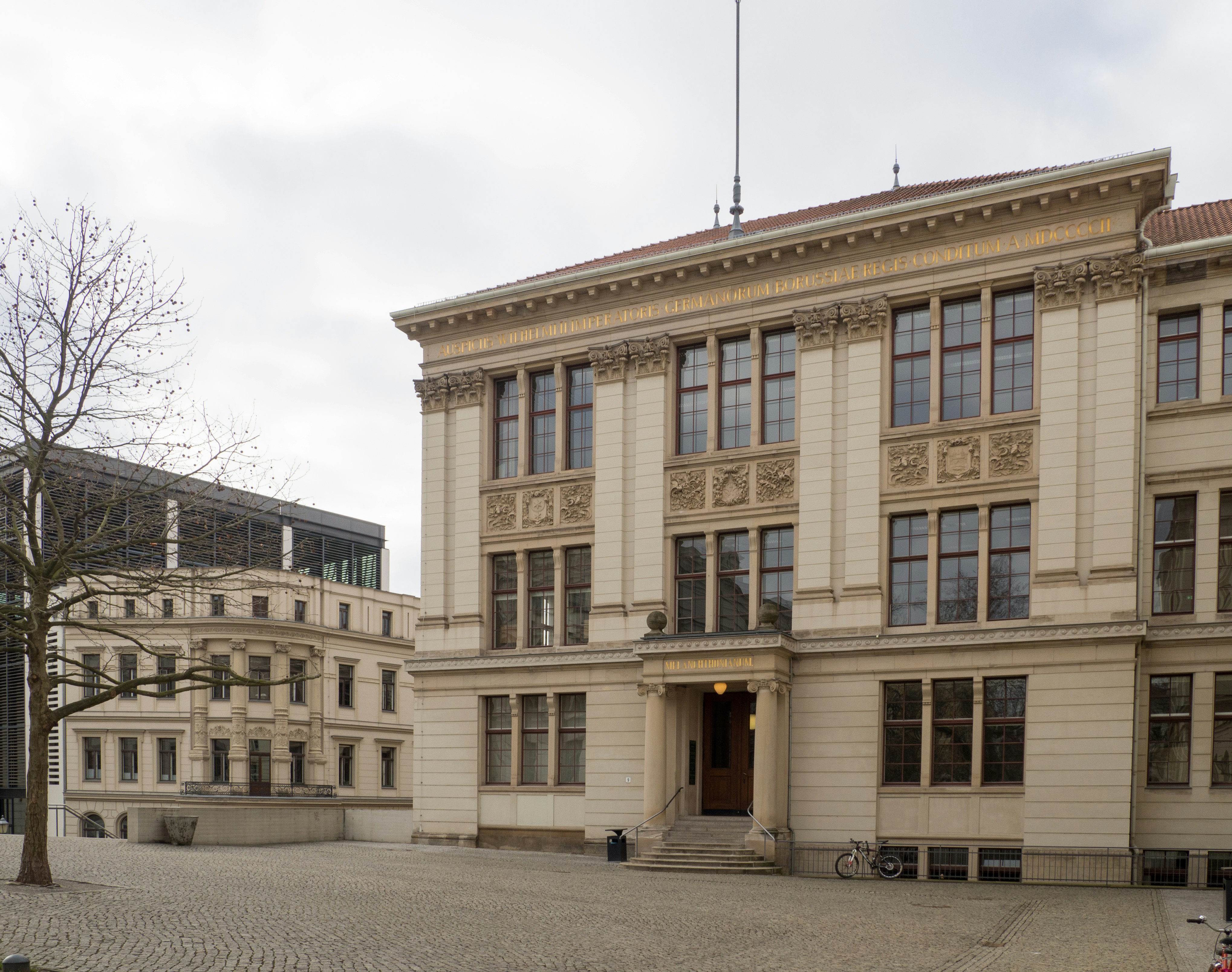
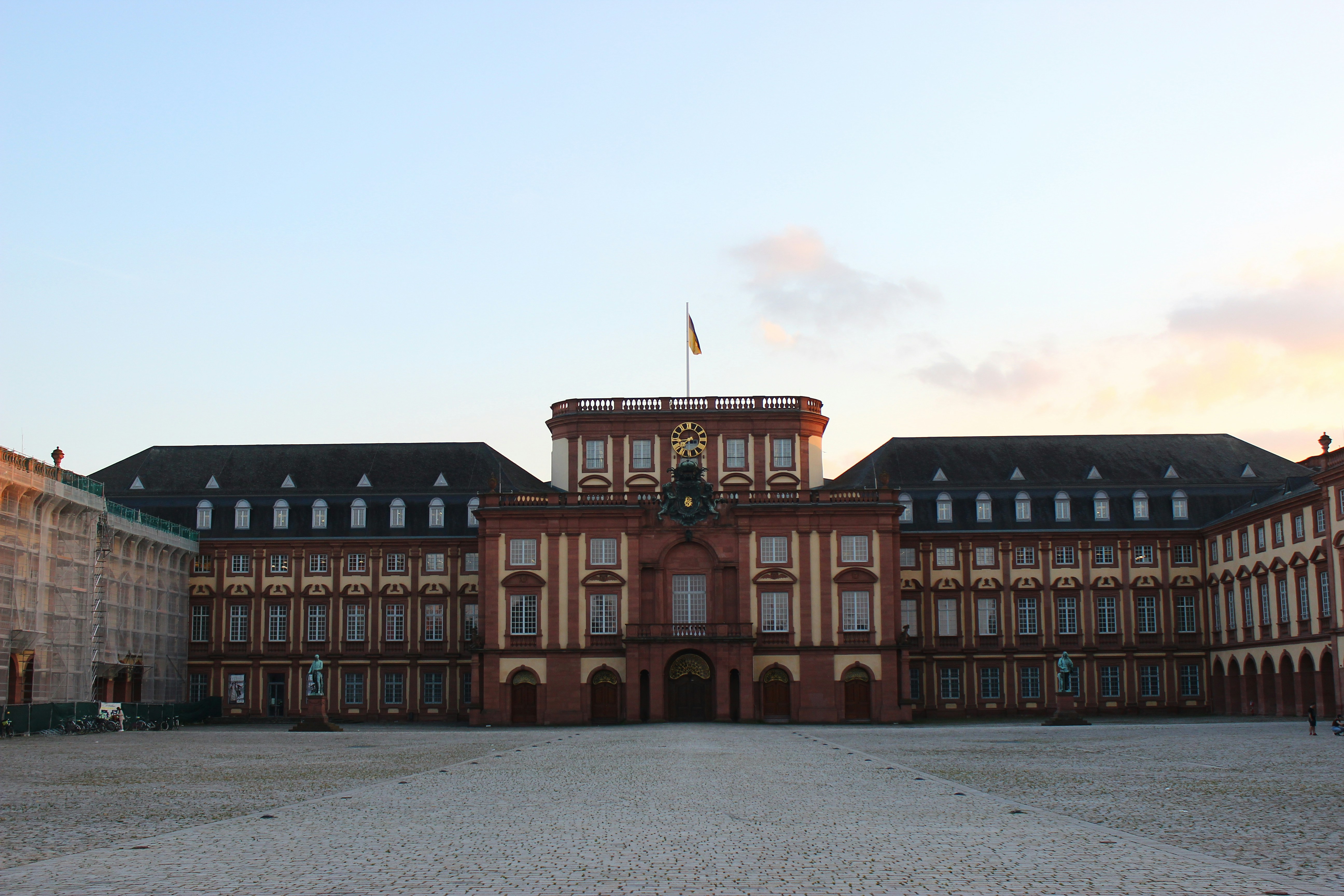
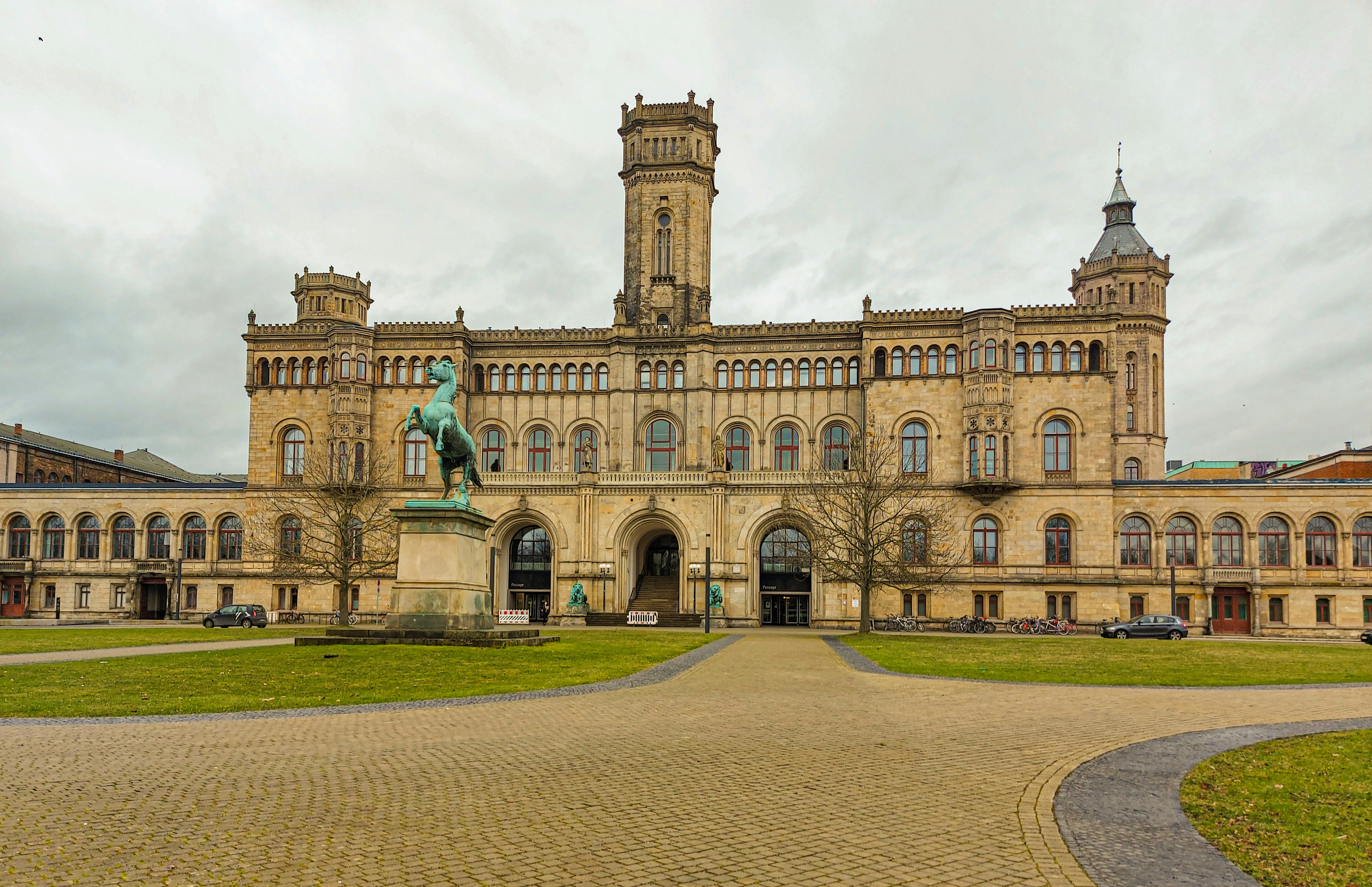
Study Abroad Information
One of the top study destinations in Europe Offers Bachelor’s, Master’s, and PhD programs Popular fields: Engineering, IT, Business, Automotive, Data Science Tuition: Many public universities offer free or low-cost education Work opportunities: Part-time work (20 hours/week) Post-study options: 18-month job-seeking visa Scholarships available: DAAD Scholarships Government & university scholarships
Explore Universities in Germany
Frequently Asked Questions
Germany offers excellent education with low or no tuition fees, strong engineering programs, and excellent career opportunities in Europe. Germany is known for its innovation and quality. You'll receive a globally recognized degree that opens doors to international career opportunities.
Admission requirements for Germany typically include: academic transcripts with good grades, English proficiency test scores (IELTS/TOEFL) or local language proficiency, statement of purpose, letters of recommendation, passport copy, and financial documents showing sufficient funds. Some programs may require entrance exams or interviews. We'll guide you through all specific requirements for your chosen program.
Studying in Germany costs approximately $1,000 per year for tuition (many programs are free), with living expenses around $12,000 per year. The total annual cost ranges from $13,000-$15,000, making it one of the most affordable options. Costs can vary based on the university, program, and city. We help you find programs and scholarships that fit your budget.
Yes, most countries including Germany allow international students to work part-time during their studies. Work rights typically allow 10-20 hours per week during studies. This helps offset living costs and provides valuable work experience in an international environment.
Germany offers excellent post-study work opportunities. After graduation, you can extend your residence permit for 18 months to find a job, and once employed, you can apply for a work permit and eventually permanent residency. These opportunities help you gain international work experience and potentially settle in the country.
Many universities in Germany offer English-taught programs, especially at the master's level. However, learning the local language (German/French/Italian) can be beneficial for daily life, part-time work, and better integration. Some undergraduate programs may require local language proficiency. We'll help you find programs that match your language preferences.
Germany offers DAAD scholarships, Deutschlandstipendium, and various university-specific scholarships. Since many programs have low or no tuition fees, scholarships often cover living expenses. We assist with scholarship research and application processes to help you secure funding for your studies.
German student visa processing typically takes 4-8 weeks. You should apply at least 3 months before your intended start date. The process includes obtaining admission, opening a blocked account, and attending a visa interview. We provide complete visa assistance to ensure a smooth and timely process.
We provide comprehensive support services for students studying in Germany, including: university selection and application guidance, visa application assistance, pre-departure orientation, accommodation assistance, airport pickup arrangements, ongoing academic and personal support, career counseling, and post-graduation guidance. Our team ensures you have all the help you need from application to graduation and beyond, making your study abroad journey smooth and successful.
We recommend starting the application process 12-18 months before your intended start date. This timeline allows for: research and university selection (2-3 months), test preparation and taking IELTS/TOEFL/GRE/GMAT (2-3 months), application preparation and submission (2-3 months), waiting for admission decisions (2-4 months), visa application and processing (1-2 months), and pre-departure arrangements (1 month). Early planning increases your chances of admission and scholarship opportunities. Starting early gives you the best chance of success.